مريم: من عمر ثلاث سنوات حتى اليوم… لماذا حافظنا على الضرس الدائم الأول بدل خلعه
مريم ابنة أختي. عالجتها وهي في الثالثة تحت التخدير الكلي، ثم ظهر ضرسها الدائم الأول بحالة صعبة. كان يمكن خلعه، لكننا رمّمناه بالكومبوزيت، وما زال يعمل بعد عشر سنوات من المتابعة.

مريم ابنة أختي
عرفت مريم مريضةً قبل أن تعرف هي معنى طبيب الأسنان. أول مرة عالجتها كانت في الثالثة من عمرها، تحت التخدير الكلي، وكان عندها تسوس في الضروس اللبنية، فركّبنا لها تيجانًا من الستانلس ستيل.
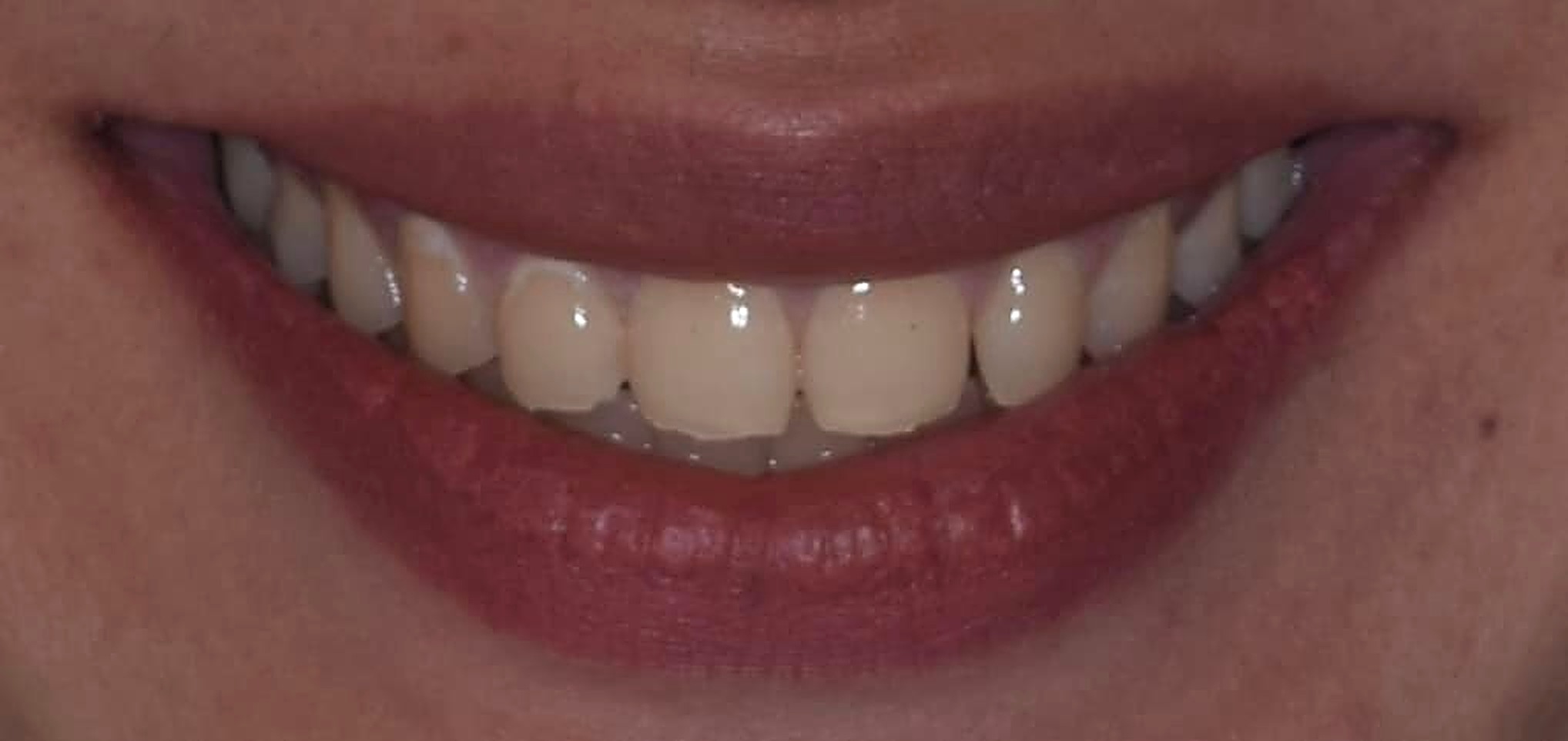
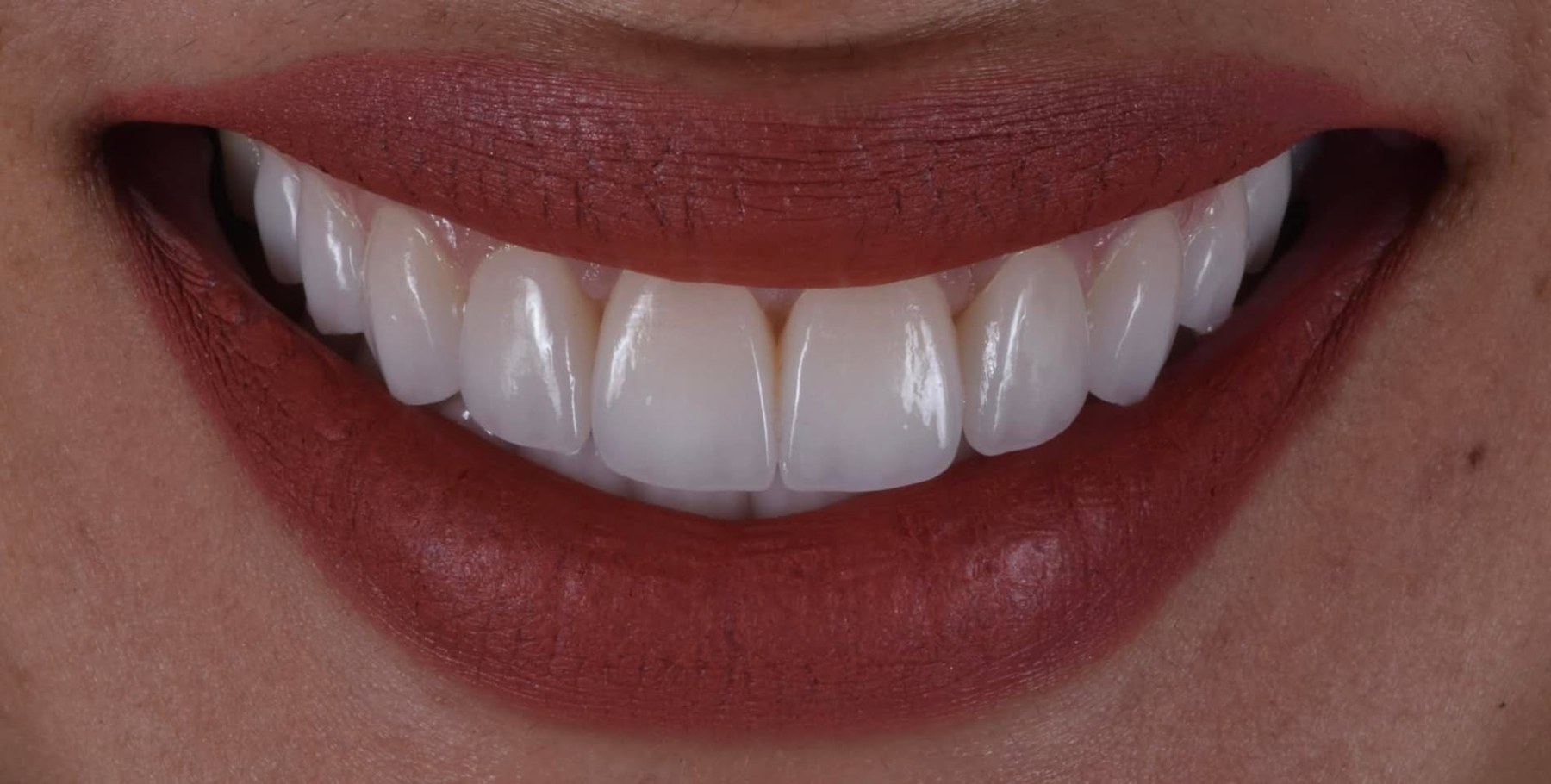
في الصورة ثلاث لقطات: مريم طفلة صغيرة على ذراعي، ثم مراهقة في العيادة، ثم شابة في آخر متابعة. ثلاث صور تلخّص عشر سنوات من الثقة.
وعلاج طفلة من عائلتك له وزن مختلف: أنت لا تعالج سنًا فقط، بل تعرف أنك ستراها تكبر، وسترى نتيجة قرارك كل عيد وكل زيارة عائلية. فإما أن تكون واثقًا فيما تفعله، أو لا تفعله.
الضرس الدائم الأول
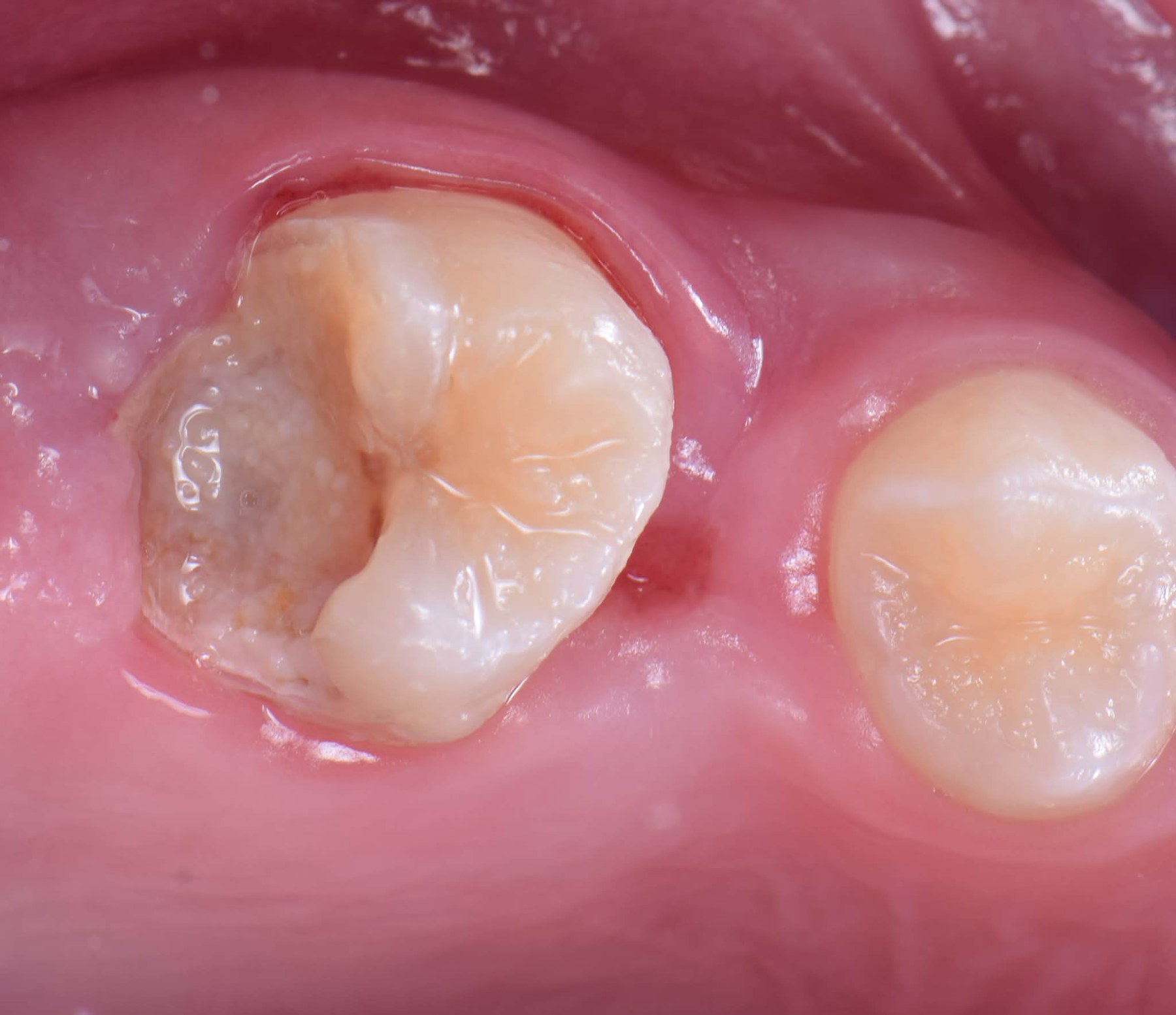
مرّت السنوات، وبدأت الأسنان الدائمة تظهر مع اللبنية. وهنا بدأت قصة الضرس الدائم الأول.
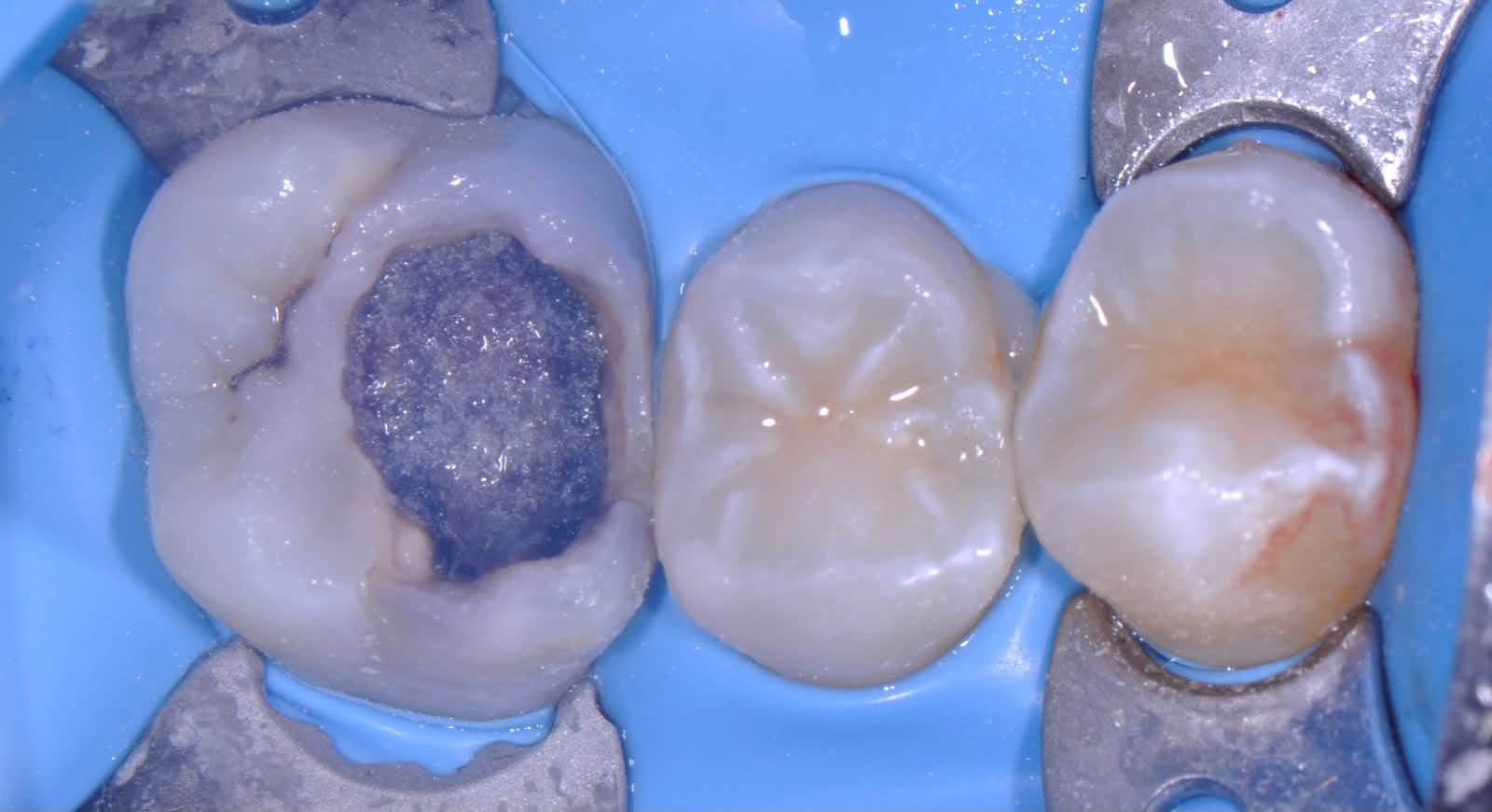
لم يكن الضرس ميؤوسًا منه، ولم يكن متهدمًا بالكامل، لكنه كان صعبًا جدًا إذا كان الهدف أن نحافظ على أكبر قدر ممكن من السن.
أكثر من رأي
- قد يرى طبيب أن الحل علاج العصب.
- وقد يفضّل آخر تاجًا من الستانلس ستيل.
- وقد يميل ثالث إلى الخلع، لأنه لا يثق في الكومبوزيت في حالة كهذه.
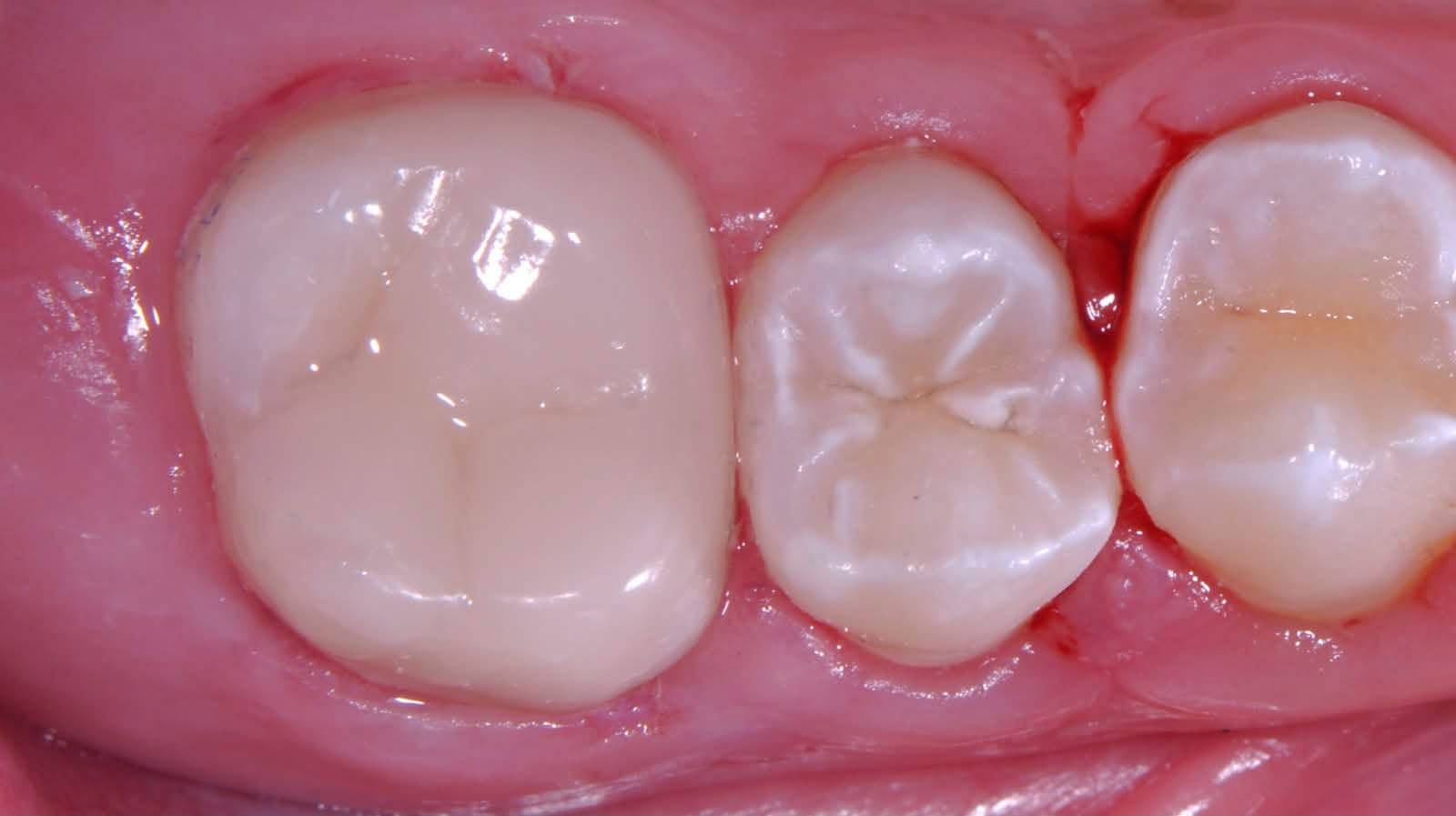
اخترنا ترميم الضرس بالكومبوزيت مباشرة، من غير علاج للعصب، مع عزل جيد ومصفوفة مناسبة، والحفاظ على أكبر قدر من السن الطبيعي.
اليوم
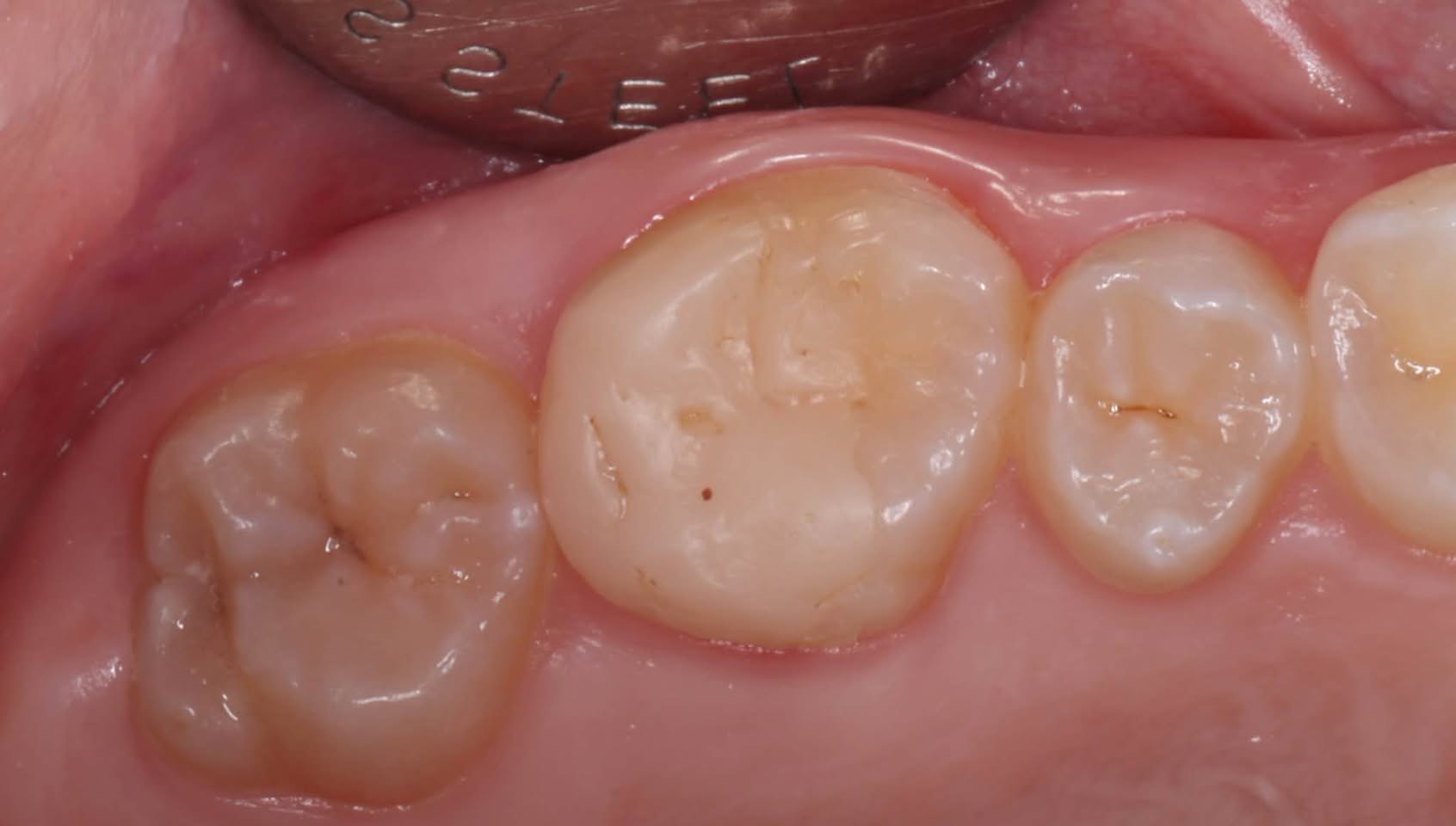
بعد عشر سنوات من المتابعة، الضرس ما زال في مكانه ويعمل.
لماذا أحكي هذه القصة؟
لأن السؤال الحقيقي ليس «نخلع أم نرمّم؟»، بل: إلى أي حد نثق في الترميم قبل أن نتخلى عن سن طبيعي؟
إذا كان السن قابلًا للترميم، وكان العلاج الذي نقدمه علاجًا نثق فيه، فلا يصح أن نخلعه لمجرد أن الترميم صعب.
التفاصيل الإكلينيكية للأطباء
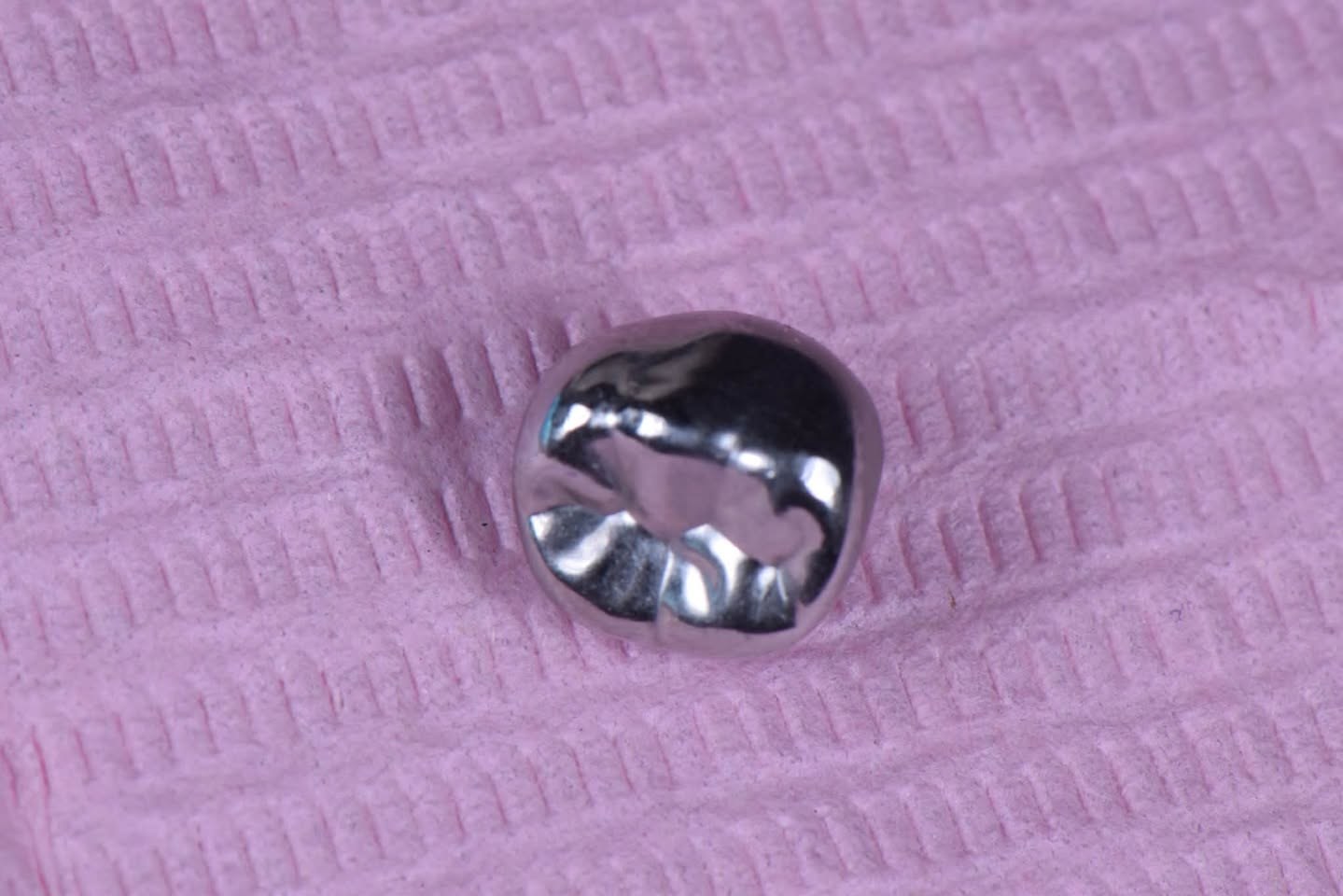
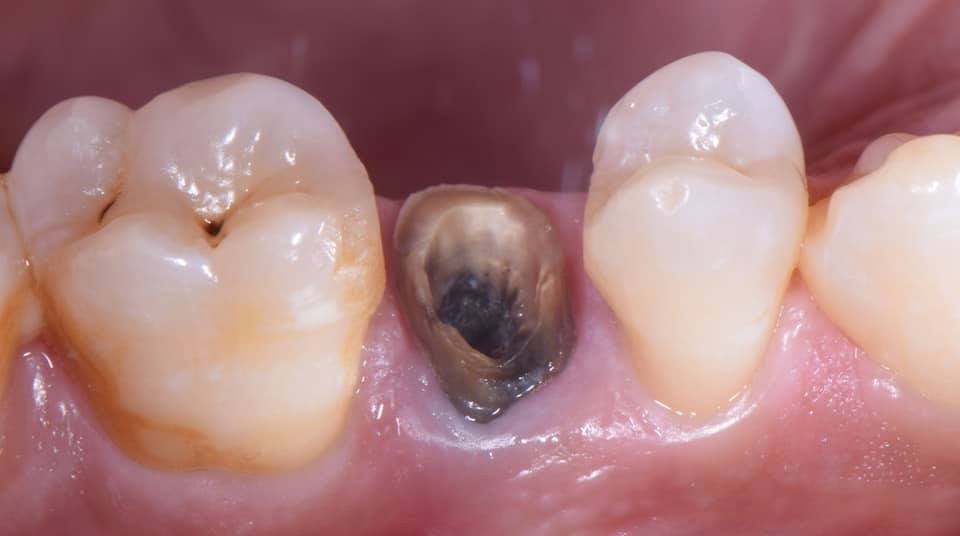
1 Age 3: stainless steel crown used on a primary molar under general anaesthesia 2 First permanent molar in the mixed dentition: the starting point 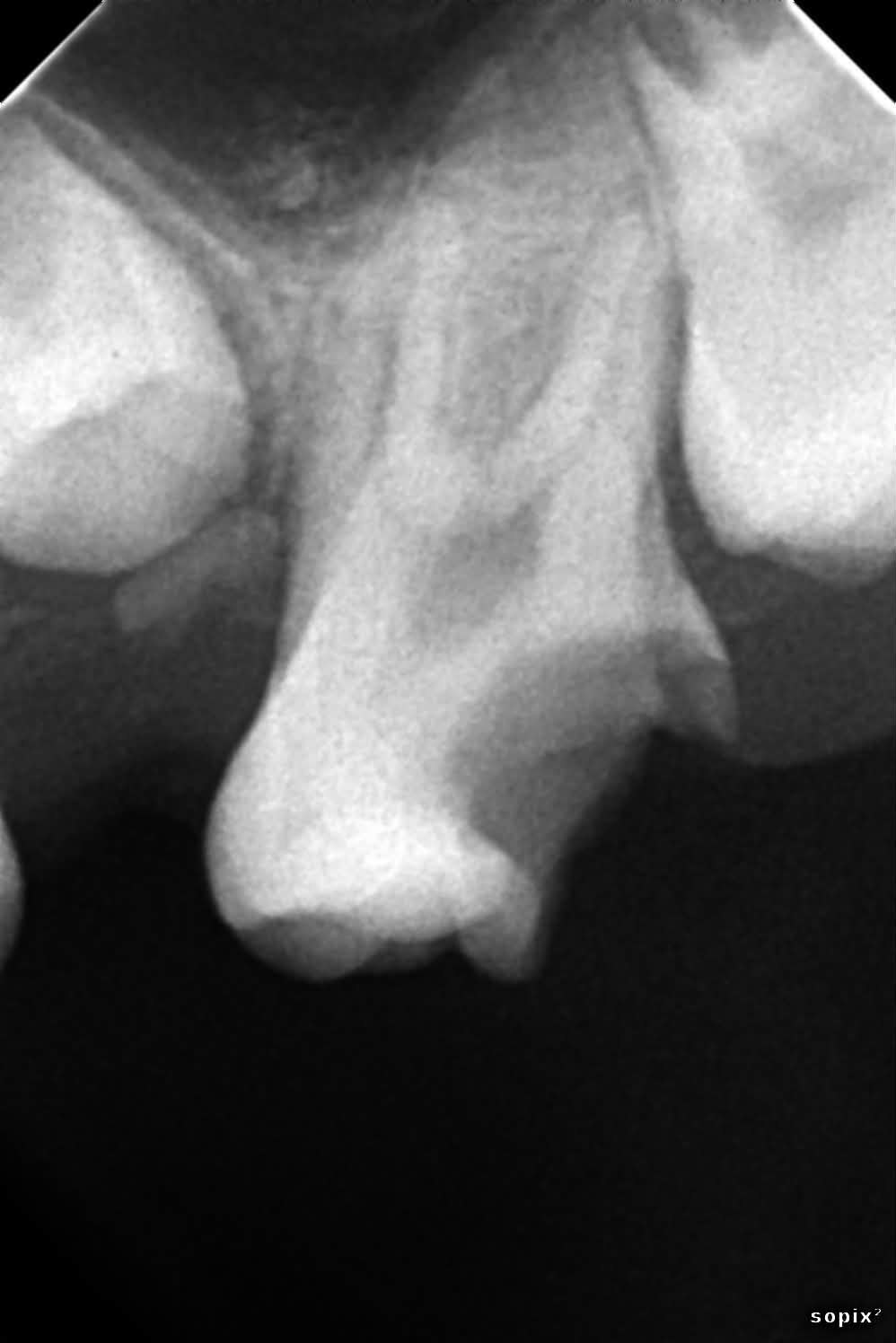
3 Pre-operative radiograph 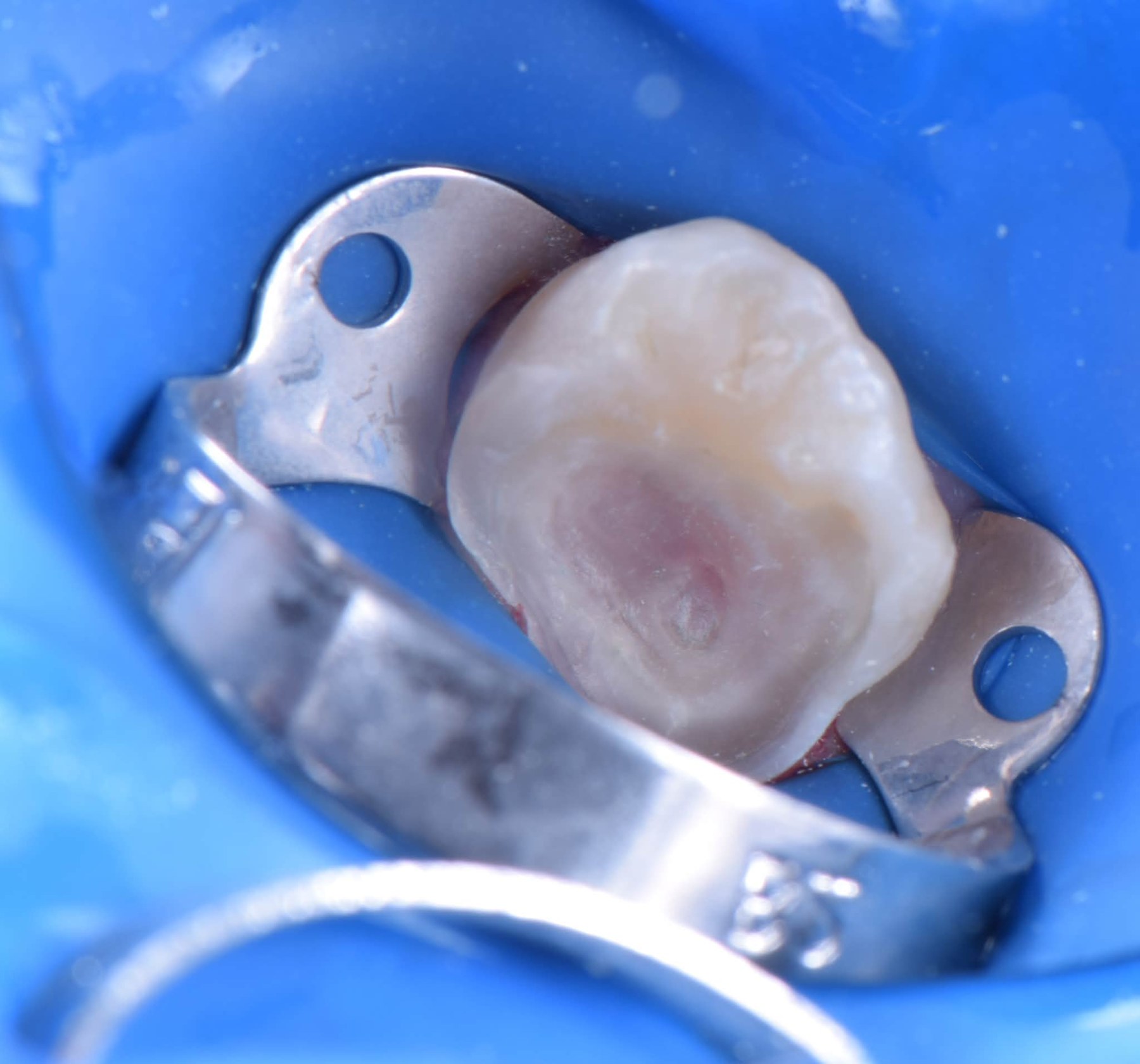
4 Rubber dam isolation and matrix band 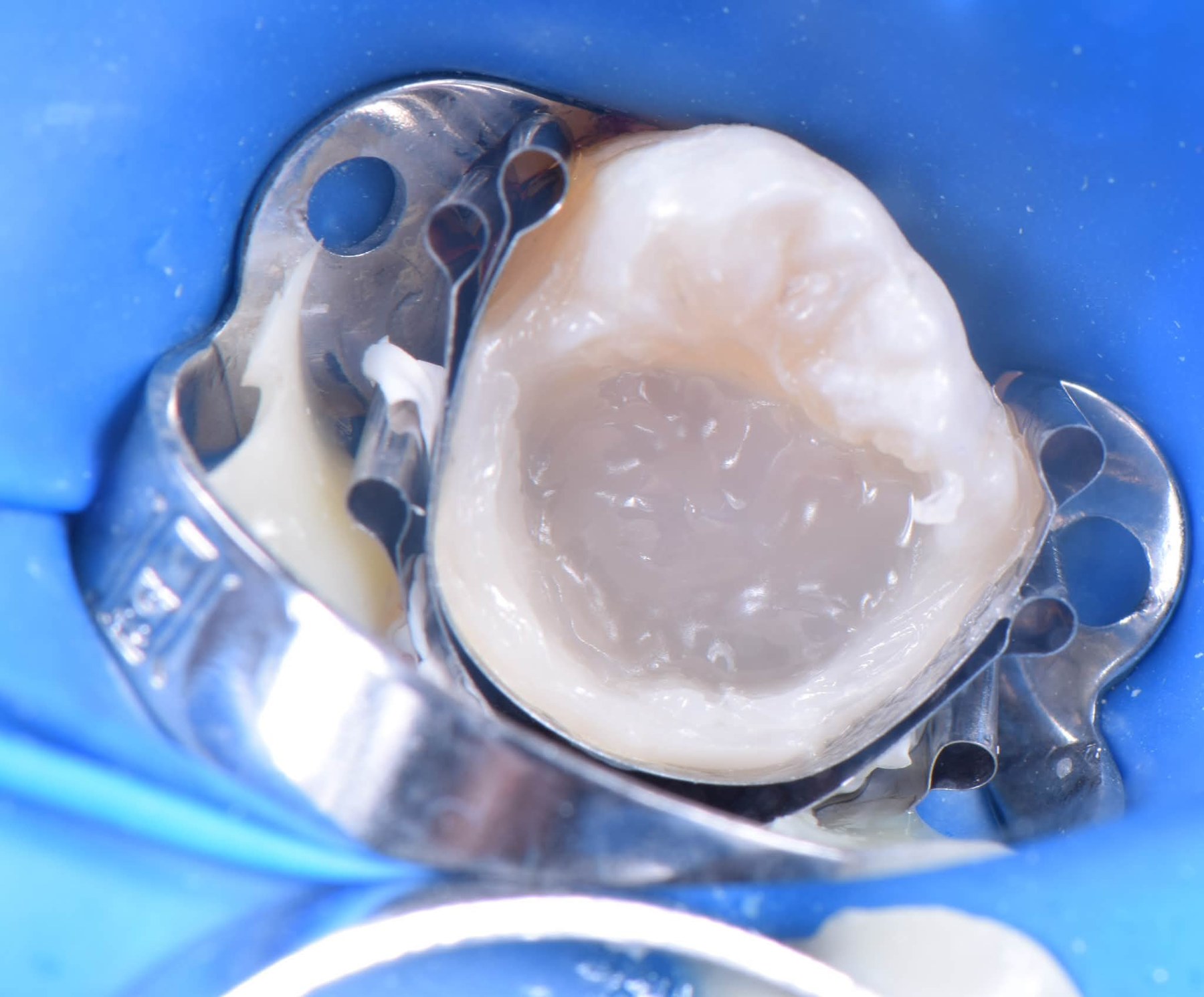
5 Composite build-up inside the matrix 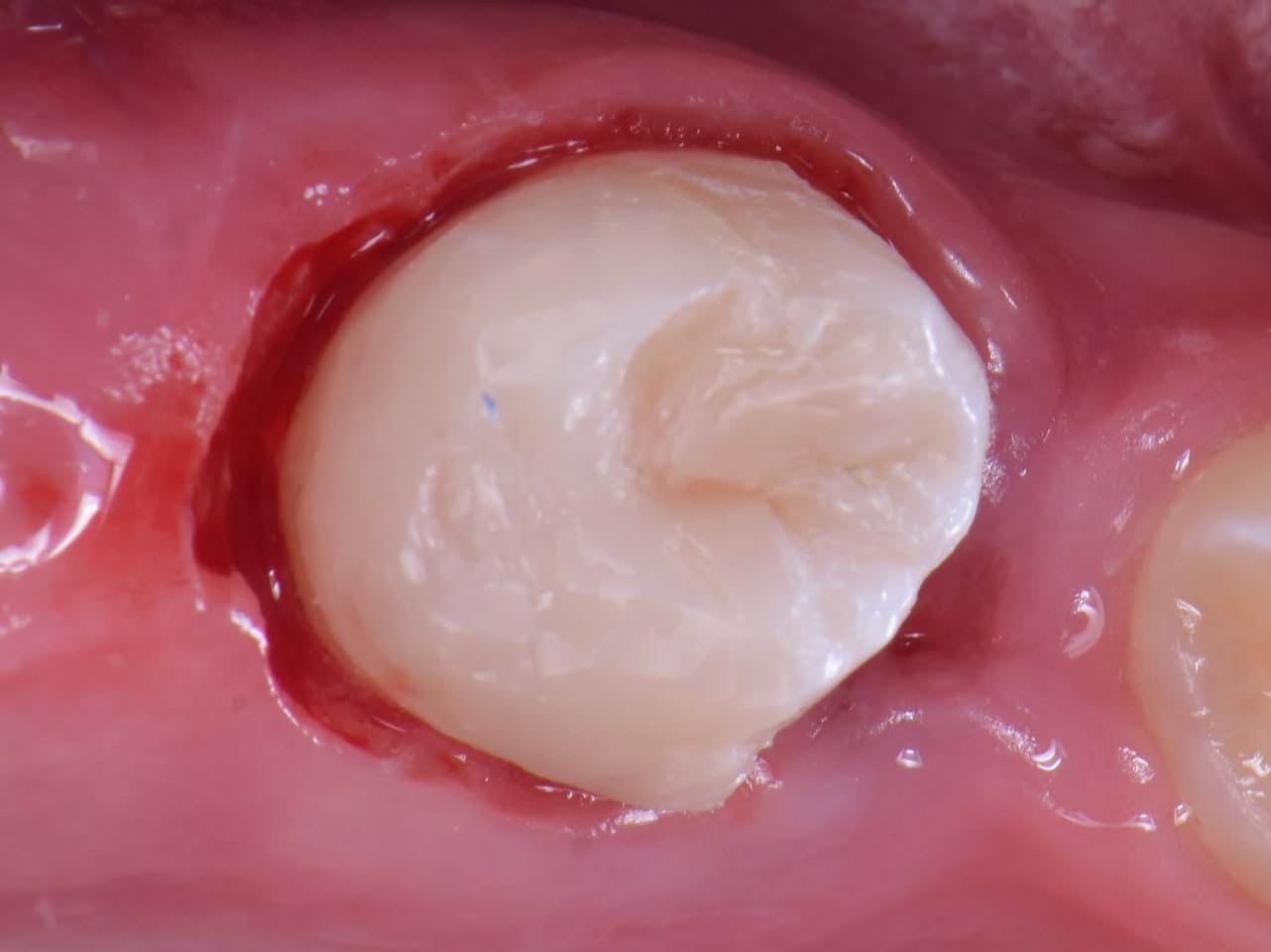
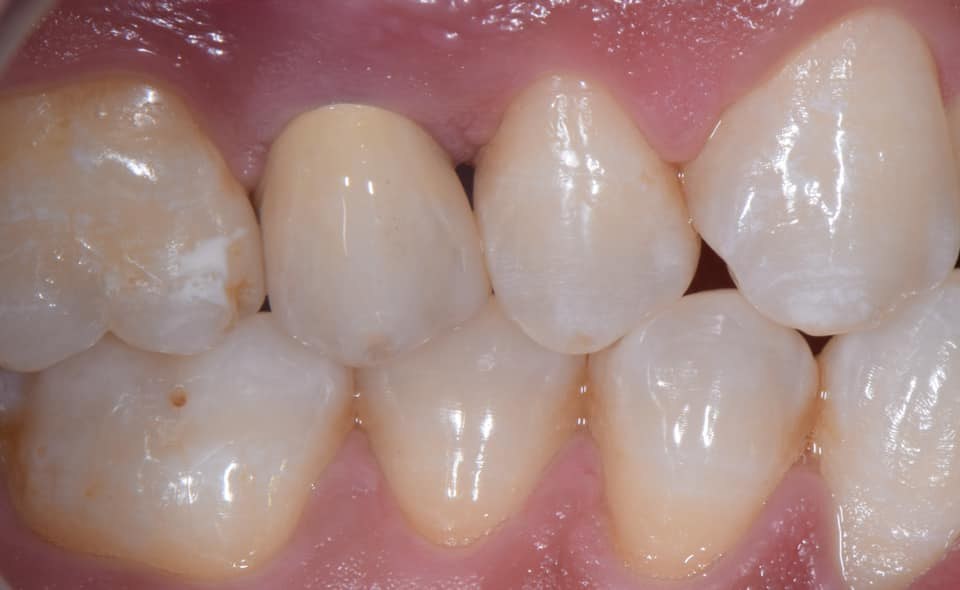
6 Final composite restoration 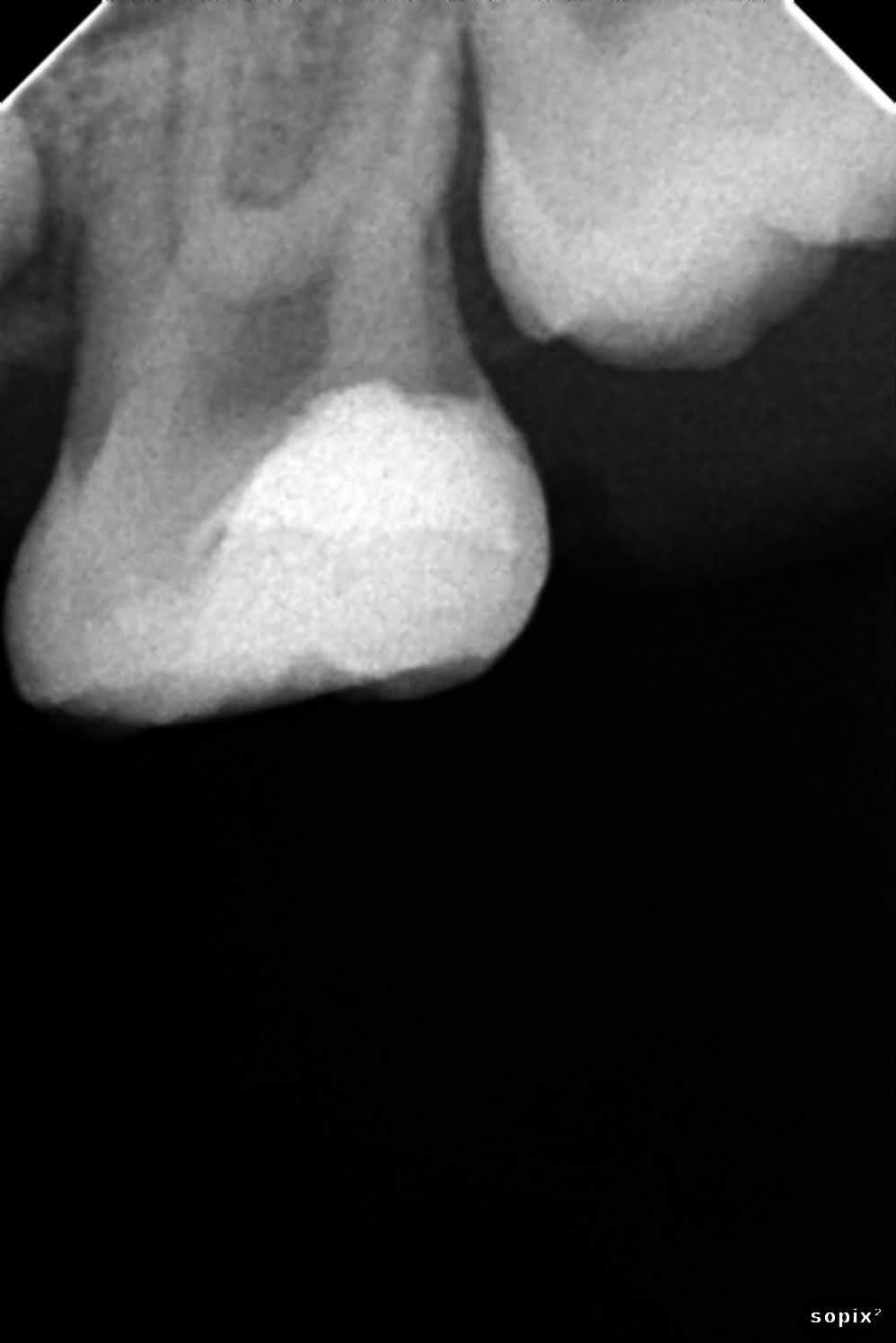
7 Post-operative radiograph 8 10-year follow-up: the restoration in function 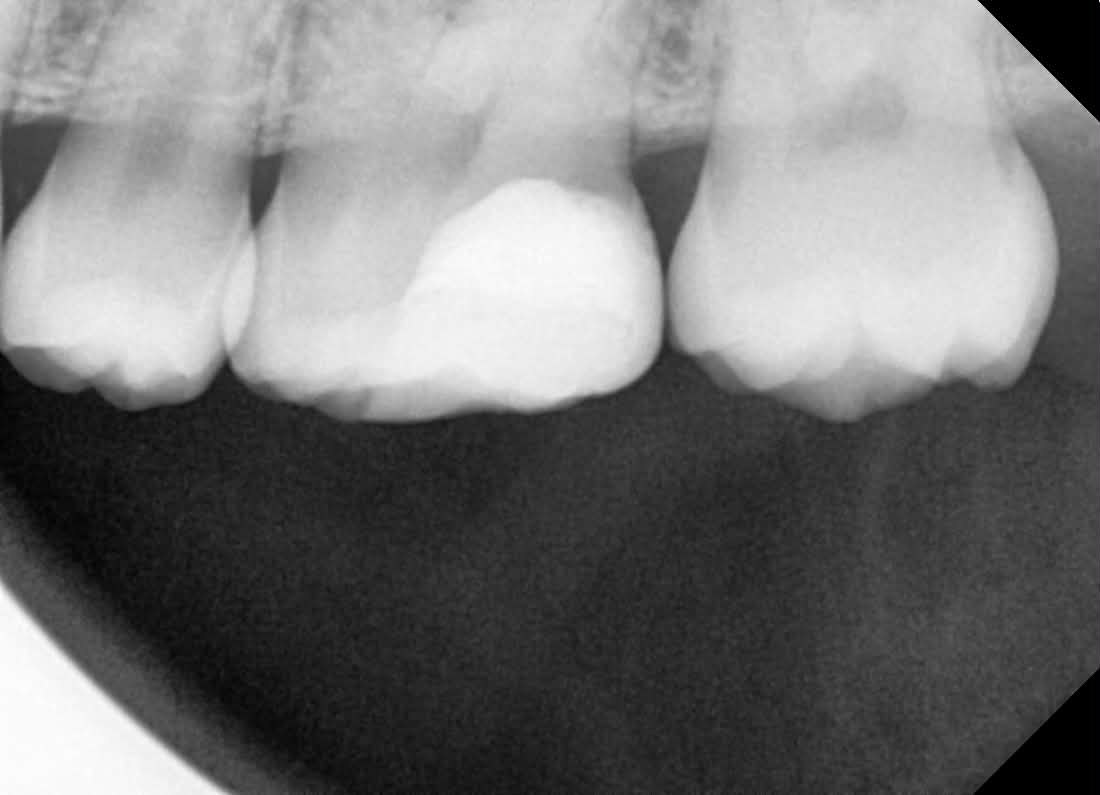
9 10-year follow-up radiograph 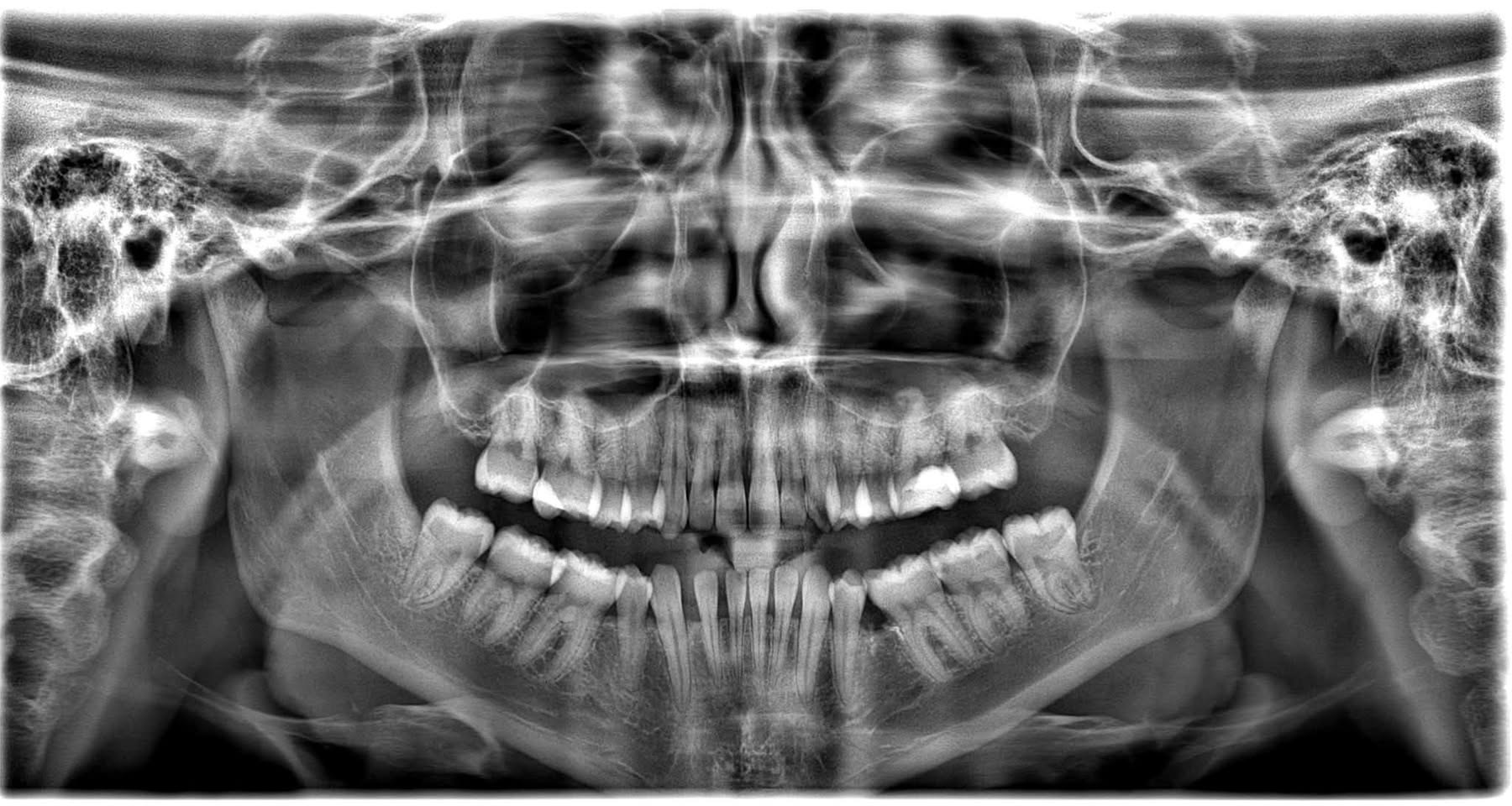
10 Panoramic radiograph at follow-up
Case summary
Patient: the author's niece, followed from age 3. Tooth: first permanent molar in the mixed dentition.
History
- Age 3: treatment under general anaesthesia; stainless steel crowns on carious primary molars.
- Mixed dentition: the erupted first permanent molar presented a large, challenging lesion. Not hopeless, not completely destroyed, but demanding from a pediatric restorative point of view.
Treatment options considered
- Endodontic treatment
- Stainless steel crown
- Extraction, with or without relying on the second and third molars to take its place
Treatment
Direct composite restoration (no pulp therapy) under rubber dam with a matrix band, aiming for maximum preservation of tooth structure, good anatomy, proper contact and controlled occlusion.
Outcome
10-year follow-up; the tooth is in place and functioning.
Discussion
- Guidelines are built on average outcomes from studies whose settings (operators, isolation, matrix systems, materials, magnification) may differ greatly from the case in front of you. They guide clinical judgment; they do not replace it.
- If we trust a well-executed composite restoration, and accept that it can be repaired and maintained, extracting a restorable first permanent molar is hard to justify.
- The presence or absence of the third molar can inform orthodontic planning, but it should not decide whether a restorable first molar is worth saving.
- Clinicians only build skills in isolation, matrixing, pulp therapy and deep margin management by treating the challenging teeth they could otherwise extract.
Take-home message
The average is important. But your patient is not an average.
احجز موعدك
اترك بياناتك، وسيتواصل معك فريقنا لتحديد موعد الزيارة، سواء كنت داخل مصر أو قادمًا من خارجها خصيصًا للعلاج.